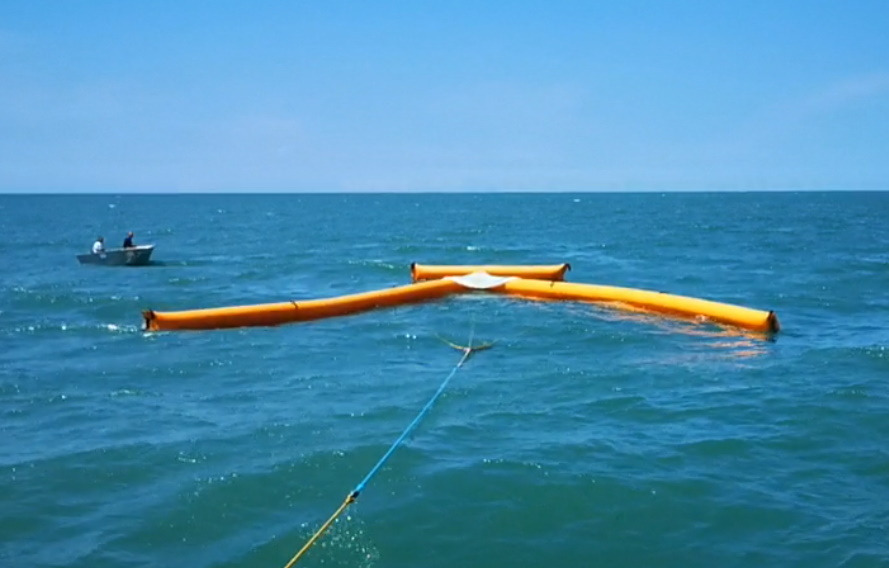
Thomsea trawl-nets



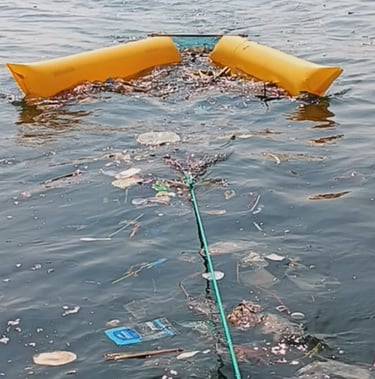
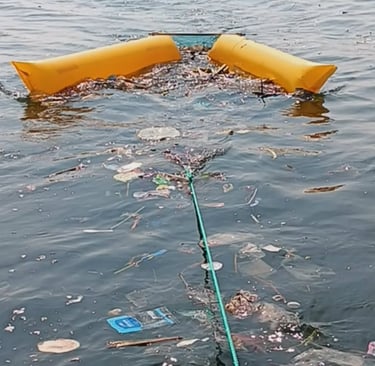
Material: hypalon (recommended)
Weight: 6 kg
Span: 3 m
Pocket capacity: 0.2 m2 - up to 50 kg
Under surface collection: 17 cm


Manufactued in Indonesia
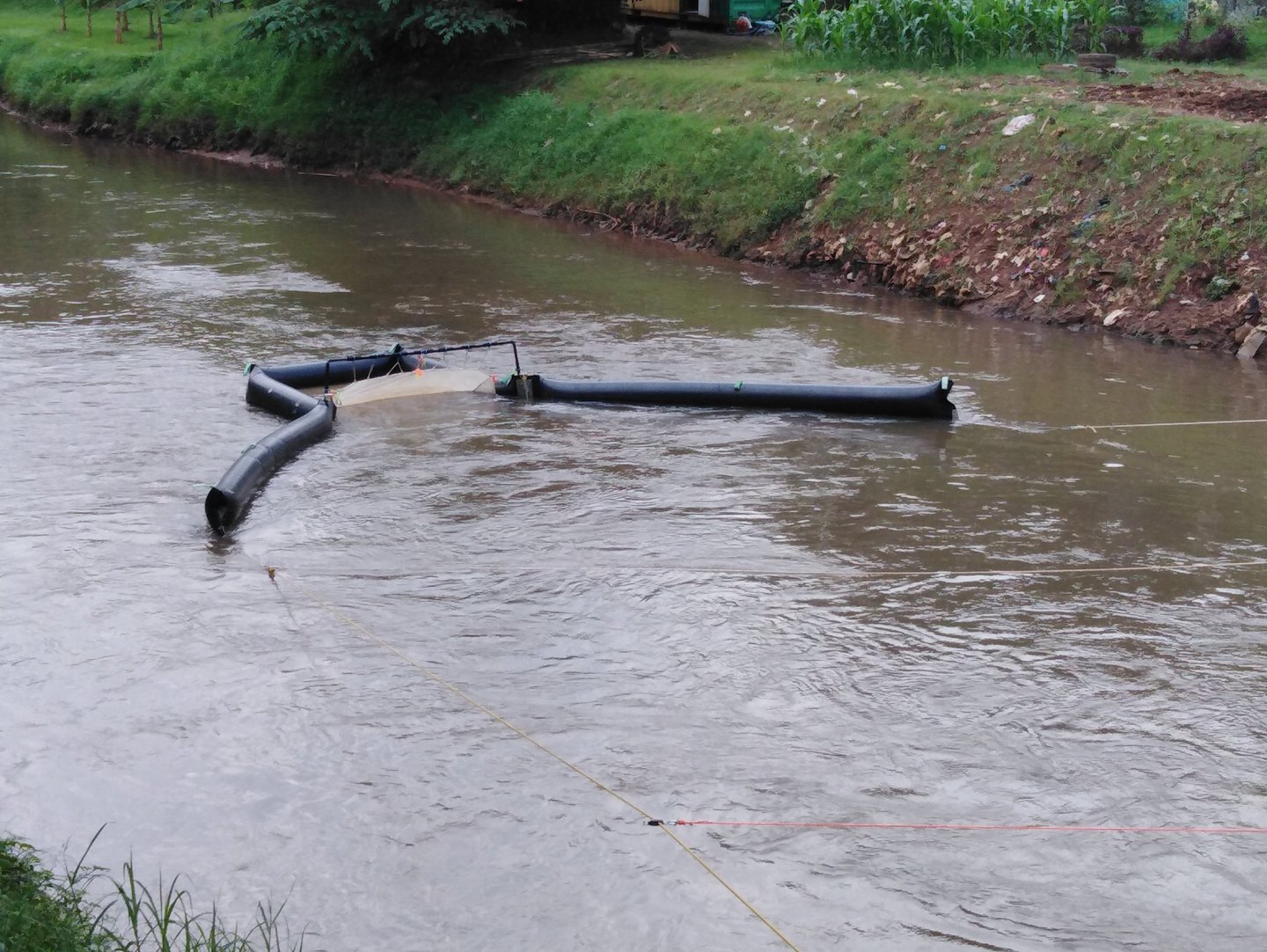
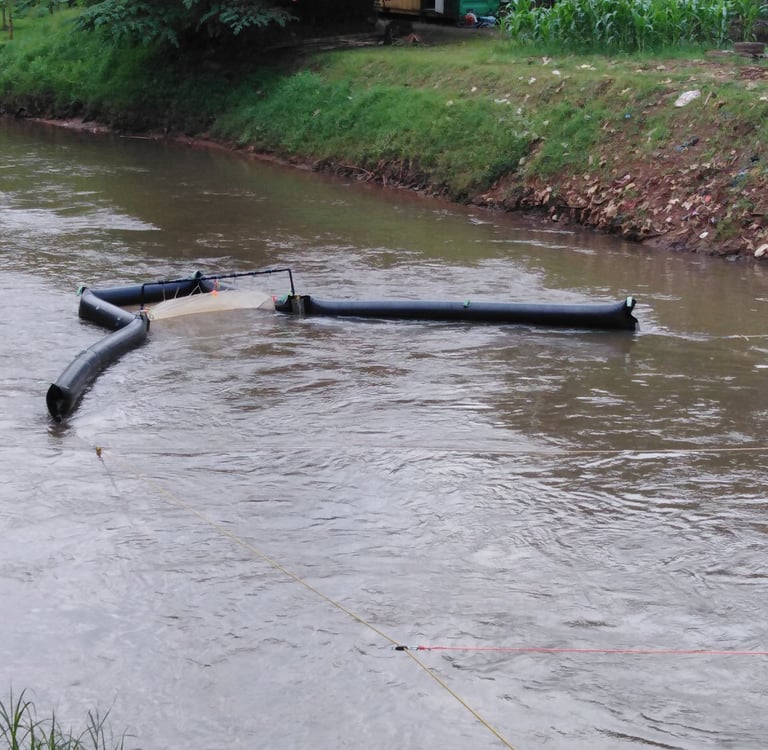

Manufactued in Indonesia
Material: hypalon (recommended)
Weight: 165 kg
Span: 7 m
Pocket capacity: 2.5 m2 - up to 2 tons
Under surface collection: 70 cm
Manufactued in Indonesia by
Material: hypalon
Weight: 650 kg
Span: 21 m
Pocket capacity: 10 m2 - up to 8 tons
Under surface collection: 90 cm
V1
2T
V2 & V8
For hydrocarbon catch
Available mid-2026
or


Why collecting Marine Debris is important
Every kilogram counts!
Some say that collecting plastic waste abandoned in the environment, including that which has reached waterways, is pointless, because to solve the calamity of plastic pollution, action must be taken upstream to stem the pollution at its source.
Of course, but how long will it take? At least several decades. So, in the meantime, we do nothing? We let plastics destroy ecosystems and accumulate on land, in the air and in water? Of course not: every kilogramme of macroplastic that we collect in or near the water will not further destroy marine biodiversity, will not degrade into micro- and nanoplastics (which enter the food chain, the water cycle, and even our own bodies), will not hinder economic development and our well-being, and much more.
When it comes to plastic pollution, we must therefore take action on all fronts, with immediate measures such as collection, and upstream measures such as improving waste management, raising awareness, implementing regulations and ensuring their effective enforcement, etc.
We are also active on other fronts besides collection. We sort and clean the plastics we collect, we work with the best possible partners to give ALL this plastic waste a second life, and we run educational and awareness programmes for ALL audiences.